Tuesday, 28 June 2016

How many pairs of hearts does an earthworm have?

The aortic arches function like a human heart. There are five pairs of aortic arches, which have the responsibility of pumping blood into the dorsal and ventral blood vessels. The dorsal blood vessels are responsible for carrying blood to the front of the earthworm's body.

Image Source
Comment Source

How much weight does a Nascar driver lose during a race?

Temperatures in the car often exceed 100 degrees, reaching as much as 170 degrees by the floorboards. Drivers can lose 5-10 pounds in sweat during a race. If a driver loses more than 3 percent of his body weight in sweat and doesn't replace those fluids, focus and reflexes start declining.

What is bubble tea and where does it originate from?

Bubble tea, also known as pearl milk tea or boba milk tea, it is a Taiwanese tea-based drink invented in Taichung, Taiwan, during the 1980s.

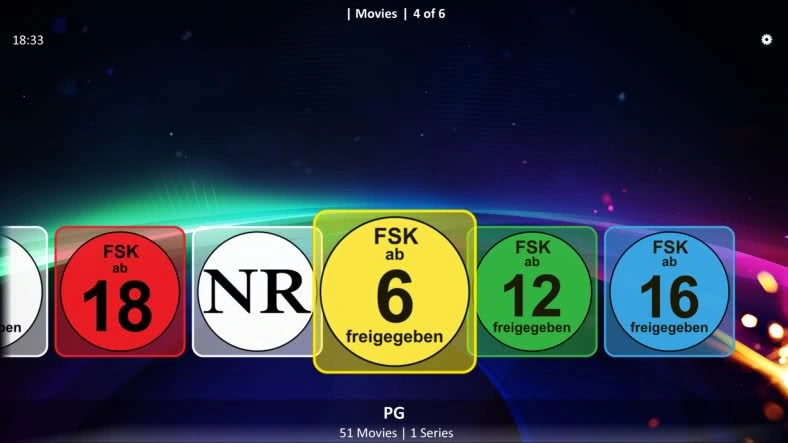
What does UR stand for in movie ratings?

Related image
Unrated – programs can be viewed by anyone above age 6 – programs not recommended for children below the age of 6, may not contain any violence or sexual content. A yellow circle with the number 6 written inside is used for this rating;


What president was on the 1000 dollar bill?

Image result for What president was on the 1000 dollar bill?
(Note: Above image is just for fun) ;)
However, the Treasury also issued larger denominations. They featured William McKinley ($500), Grover Cleveland ($1,000), James Madison ($5,000), and Salmon P. Chase ($10,000).

Who invented the cigarette?


The first commercial cigarettes were made in 1865 by Washington Duke on his 300-acre farm in Raleigh, North Carolina. His hand-rolled cigarettes were sold to soldiers at the end of the Civil War. It was not until James Bonsack invented the cigarette-making machine in 1881 that cigarette smoking became widespread.

Is Mercury Found in Nature?

Image result for mercury found in nature

Like lead or cadmium, mercury is a constituent element of the earth, a heavy metal. In pure form, it is known alternatively as "elemental" or "metallic" mercury (also expressed as Hg(0) or Hg0). Mercury is rarely found in nature as the pure, liquid metal, but rather within compounds and inorganic salts.